
The Link Between Sleep Apnea And Heart Health: What You Need to Know
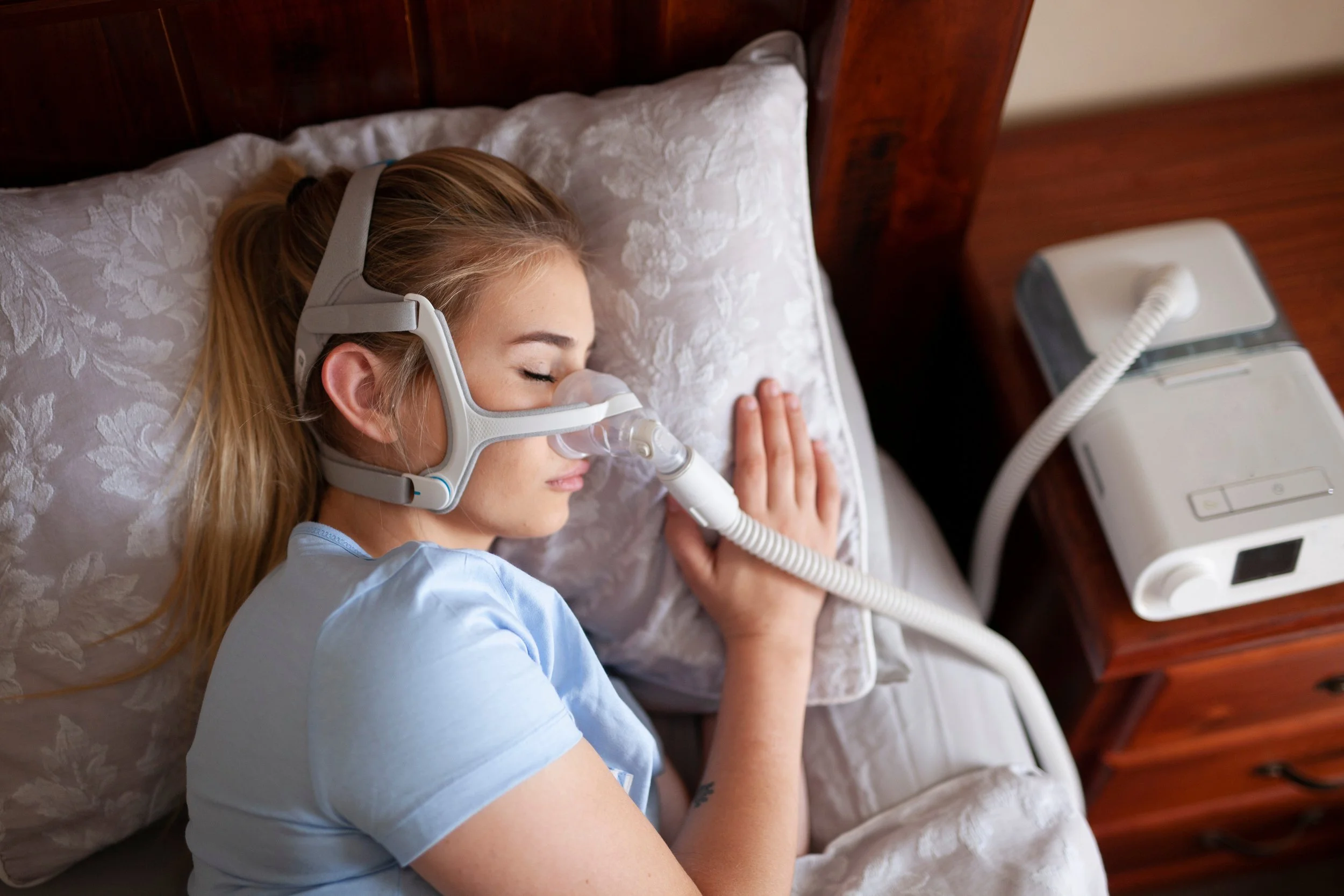
Most people think of sleep apnea as a nighttime nuisance — snoring, restless sleep, morning grogginess. But sleep apnea is also a cardiovascular issue. Left untreated, it places measurable, repeated strain on the heart, and research increasingly points to it as a modifiable risk factor for serious heart conditions.
The American Heart Association reports that sleep apnea increases the risk of cardiovascular disease and can lead to worse outcomes for people who already have it. Obstructive sleep apnea (OSA) in particular has been linked to higher rates of high blood pressure, stroke, and coronary artery disease.
What Happens To Your Heart During An Apnea Event
Obstructive sleep apnea occurs when the airway repeatedly collapses or narrows during sleep, cutting off airflow for seconds at a time. Each pause triggers a chain reaction in the body:
Blood oxygen levels drop
The body responds with a stress reaction, releasing hormones that spike heart rate and blood pressure
The heart works harder to compensate, often dozens or hundreds of times a night
Over months and years, this repeated strain can damage blood vessels and heart tissue
This cycle repeats every time breathing stops — which, for people with moderate to severe OSA, can happen dozens of times per hour, all night, every night.
Which Heart Conditions Are Linked To Sleep Apnea
Research has connected untreated sleep apnea to a range of cardiovascular conditions, including:
High blood pressure (hypertension), including cases that resist standard treatment
Atrial fibrillation and other irregular heart rhythms
Coronary artery disease
Heart failure, including diastolic dysfunction
Increased risk of stroke
According to the American Academy of Sleep Medicine, OSA is common enough among cardiology patients that annual screening is now recommended for anyone with heart failure, treatment-resistant high blood pressure, or a history of atrial fibrillation. In other words, if you have a heart condition, your doctor may specifically want to know about your sleep.
Why This Relationship Goes Both Ways
The connection between sleep apnea and heart disease isn't one-directional. Existing heart conditions can also make sleep apnea more likely or more severe, particularly in patients with heart failure, where fluid shifts during sleep can worsen airway obstruction. That overlap is part of why doctors increasingly treat sleep health as a core piece of cardiovascular care, not a separate concern.
How Treatment Helps Protect Your Heart
The encouraging news is that sleep apnea is a treatable condition, and treatment appears to meaningfully reduce cardiovascular strain. Continuous positive airway pressure (CPAP) therapy — the most common and effective treatment for OSA — keeps the airway open throughout the night, preventing the repeated oxygen drops that drive the stress response.
Consistent CPAP use has been shown to improve intermediate cardiovascular markers, including blood pressure, nervous system activity, and aspects of heart function, with the clearest benefits seen in patients who use their device consistently. That's one of the biggest reasons Integrated Respiratory Solutions puts so much emphasis on compliance support: the cardiovascular benefits of CPAP depend on actually wearing it, night after night.
If you're being treated for sleep apnea, or think you might have it, our Sleep Health Program pairs CPAP and BiPAP equipment with dedicated sleep coaching to help you stay consistent - because protecting your heart starts with protecting your sleep.
Who Should Ask About Screening
You don't need a heart diagnosis to benefit from asking about sleep apnea screening, but it becomes especially important if you have:
High blood pressure, particularly if it's hard to control
Atrial fibrillation or another irregular heart rhythm
A history of heart failure, coronary artery disease, or stroke
Obesity, loud snoring, or witnessed pauses in breathing during sleep
A simple conversation with your doctor, followed by a home sleep test or an in-lab sleep study, is usually enough to get a diagnosis and start treatment.
Frequently Asked Questions
-
Research shows consistent CPAP use improves several cardiovascular risk markers, including blood pressure and heart function, especially in patients who use it regularly. It's one of the more directly modifiable risk factors available.
-
Yes. Central sleep apnea, in which the brain fails to send consistent signals to the breathing muscles, is closely associated with heart failure and can worsen its progression. It's evaluated and treated differently than obstructive sleep apnea, so an accurate diagnosis matters.
-
Not automatically, but many cardiology patients — especially those with heart failure, resistant hypertension, or atrial fibrillation — are now routinely screened for sleep apnea because of how often the two conditions overlap.
-
Start with a conversation with your doctor about your symptoms. From there, a home sleep apnea test or an in-lab sleep study can confirm a diagnosis and guide treatment.
Your heart works hard enough during the day — it shouldn't have to fight your sleep too. If you've been diagnosed with sleep apnea, or suspect you might have it, Integrated Respiratory Solutions can help you get the right equipment, the right fit, and the ongoing support to stay consistent with treatment.
Three locations serving the Midwest
Visit us in person, get directions, or read what patients are saying about each location on Google.
Carol Stream, IL
Carol Stream, IL 60188
Westmont, IL
Westmont, IL 60559
Eureka, MO
Eureka, MO 63025