

Articles
Breathe. To the Fullest.
Welcome to the Integrated Healthcare Solutions blog, your central hub for the latest articles, news, updates, and resources to help you breathe to the fullest.

Choosing The Right CPAP Provider: 7 Questions To Ask Before You Sign Up
Not all CPAP providers offer the same level of care. These seven questions will help you evaluate any provider — new or existing — before you commit.

From Diagnosis To Delivery: What A Great CPAP Provider Experience Looks Like
From your first sleep study to years of ongoing support, here's what the ideal CPAP patient journey looks like and the benchmark to hold any provider to.

CPAP Mask Not Fitting Right? It Might Be Time For A New Provider
A poorly fitting CPAP mask can undo months of progress with your sleep apnea therapy. Here's why masks leak, what a proper fitting should feel like, and when it's a sign to find a new provider.

5 Signs It’s Time To Switch Your CPAP Supplier
CPAP therapy only works if it's actually usable. Here are five clear signs your current supplier isn't giving you the support you need — and what better service looks like.

How To Switch CPAP Providers Without Losing Your Insurance Coverage
Switching CPAP suppliers doesn't have to mean a lapse in insurance-covered supplies. Here's the step-by-step process for transferring your prescription, verifying coverage, and keeping your therapy uninterrupted.

CPAP vs. BiPAP vs. Auto-PAP: Which Machine Is Right for You?
Newly diagnosed with sleep apnea and wondering what CPAP, BiPAP, and Auto-PAP actually mean? This guide breaks down how each machine works, who typically benefits most, and what to expect from Integrated Sleep Solutions' fitting and compliance program.
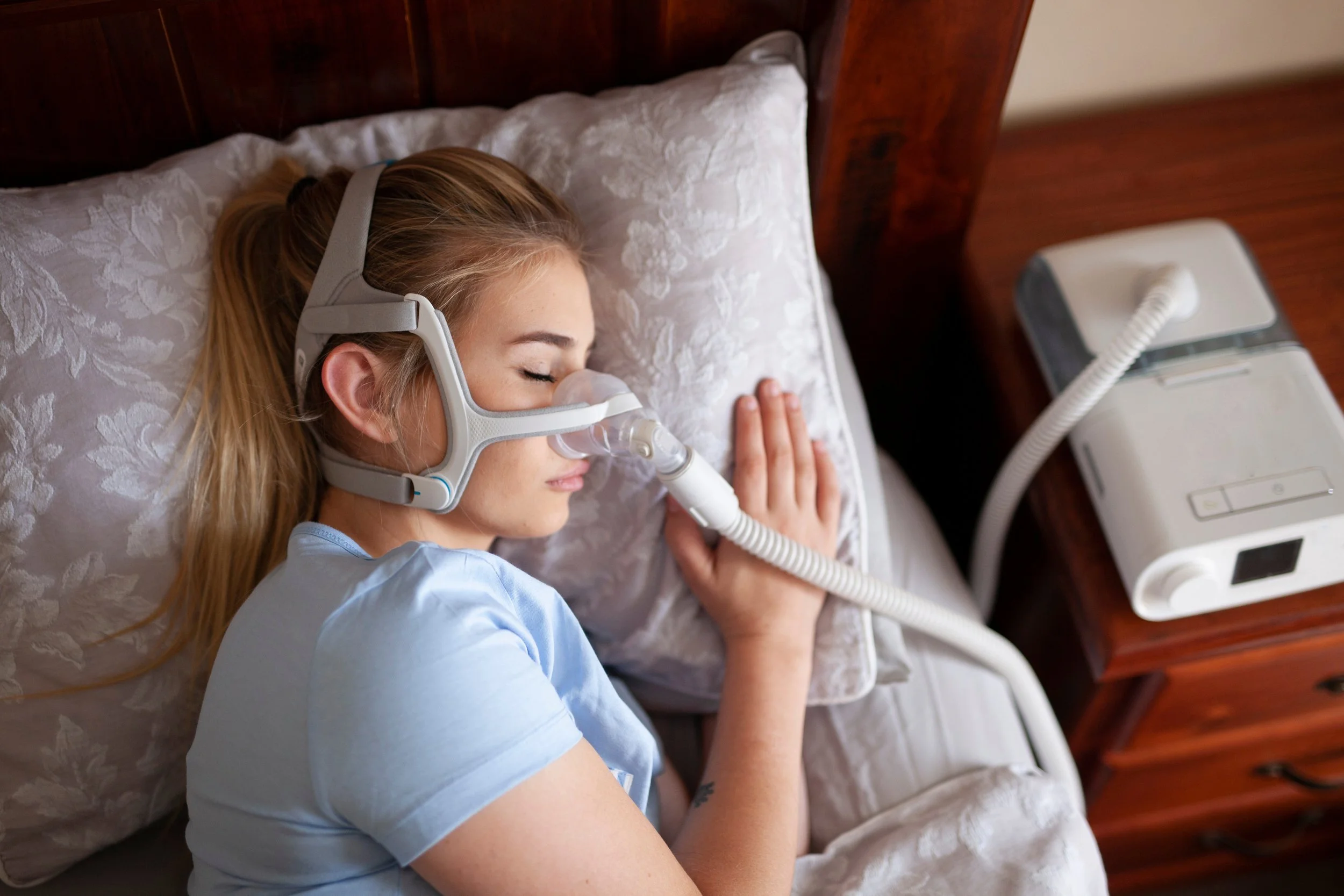
The Link Between Sleep Apnea And Heart Health: What You Need to Know
Sleep apnea does more than disrupt your rest — left untreated, it puts real strain on your heart. Here's how the two are connected, what the research shows, and how treatment can help protect your cardiovascular health for the long run.

Cystic Fibrosis Airway Clearance: How Vest Therapy Supports A Better Quality of Life
Daily airway clearance is one of the most important and most demanding parts of living with cystic fibrosis. Here's how high-frequency chest wall oscillation (HFCWO) vest therapy makes that daily routine easier, more effective, and more sustainable, with support from Integrated Respiratory Solutions every step of the way.

Why CPAP Compliance Matters - And How Integrated Respiratory Solutions Helps You Stay On Track
CPAP therapy only works when it's used consistently - but staying compliant is harder than it sounds. This article explains what CPAP compliance means, why it matters for your health and your insurance coverage, and how Integrated Respiratory Solutions' dedicated sleep coaching program helps you succeed long-term.

Sleep Apnea 101: Symptoms, Types, and When to See a Doctor
Sleep apnea is one of the most common and most underdiagnosed sleep disorders in the United States. This guide breaks down the three types, the warning signs you shouldn't ignore, and exactly when it's time to talk to a doctor about getting tested.

Life After a Tracheostomy: How to Thrive at Home
A tracheostomy changes how you breathe — but it doesn't have to change how you live. This guide walks patients and caregivers through daily trach care, communication strategies, and what to expect when coming home, with expert support from Integrated Respiratory Solutions.

What Is Home Mechanical Ventilation? A Guide for Patients & Families
Home mechanical ventilation allows patients with serious respiratory conditions to breathe safely and comfortably in the place they love most — home. This guide breaks down what home ventilation is, who needs it, and how Integrated Respiratory Solutions supports every step of the journey from hospital to home.

Breathing Easier: The Smart Tech Revolution in ALS Home Care
For individuals living with Amyotrophic Lateral Sclerosis (ALS), respiratory health is the cornerstone of maintaining independence and quality of life. As the disease progresses and weakens the muscles responsible for breathing, the transition to mechanical ventilation can feel daunting. However, the technology available in 2026 has transformed this transition from a hospital-centric hurdle into a manageable, home-based solution.