
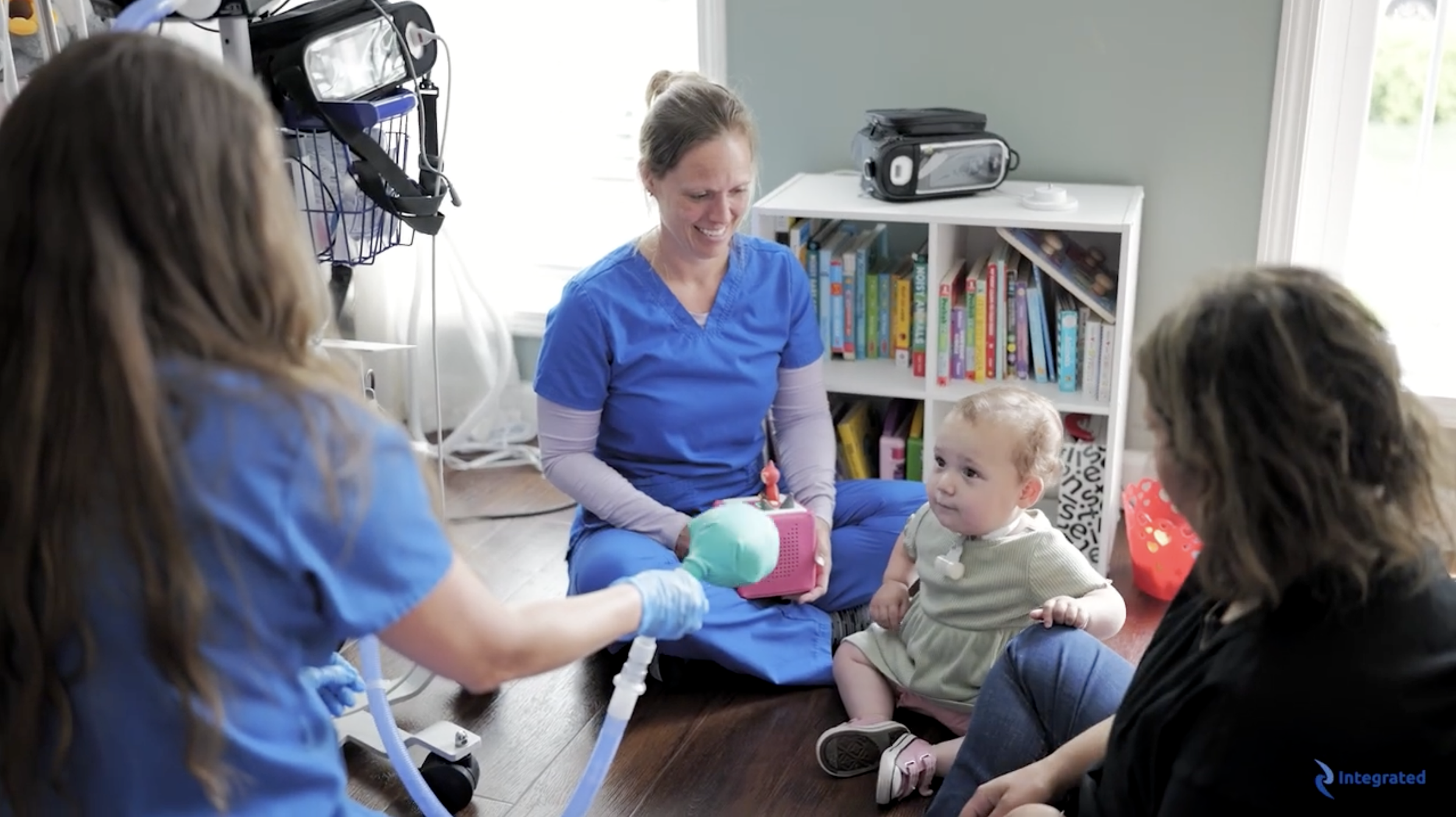
Hearing that your child will need a ventilator at home can feel overwhelming. You may be thinking about the equipment, the training, and what everyday life will look like.
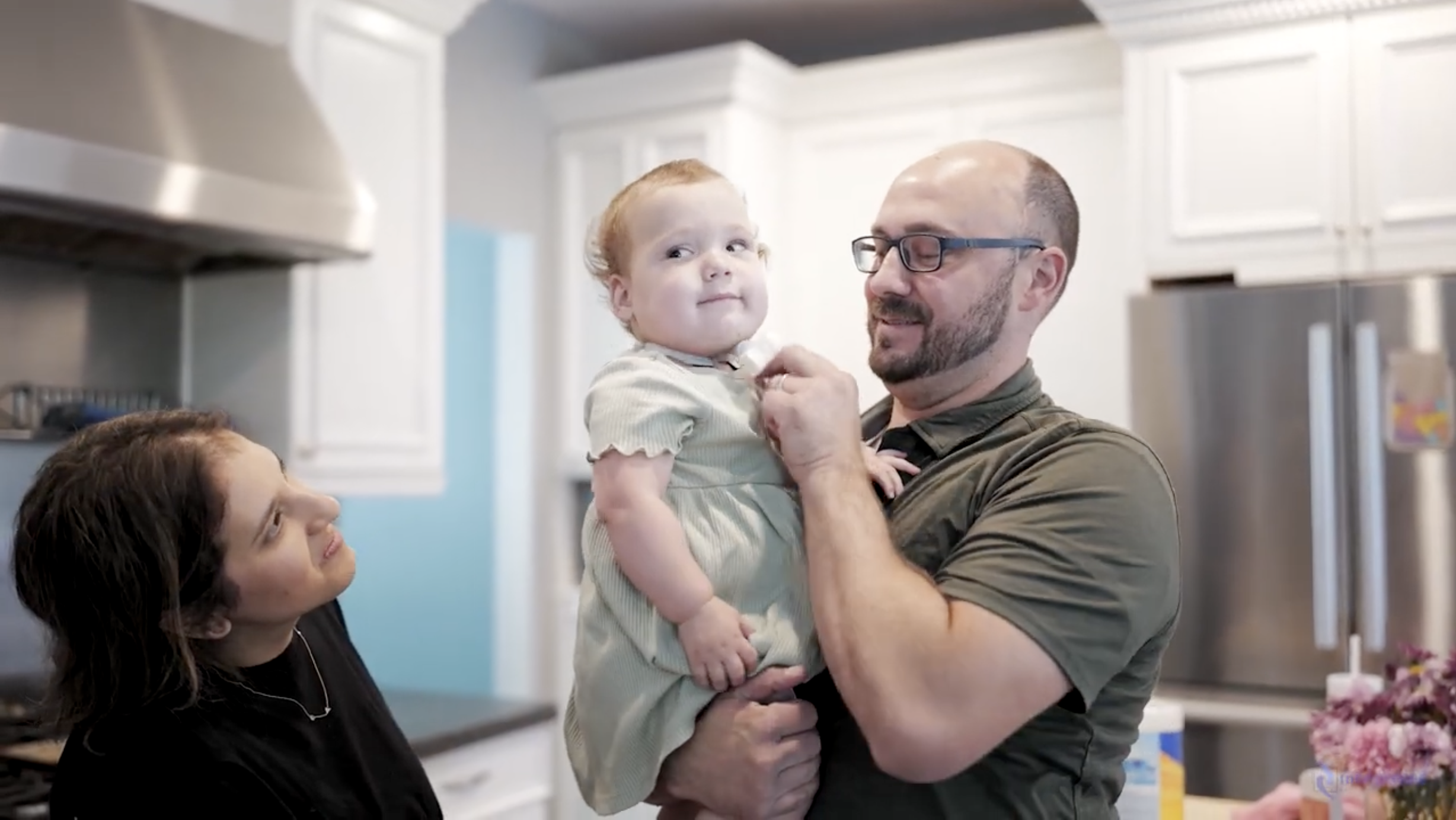
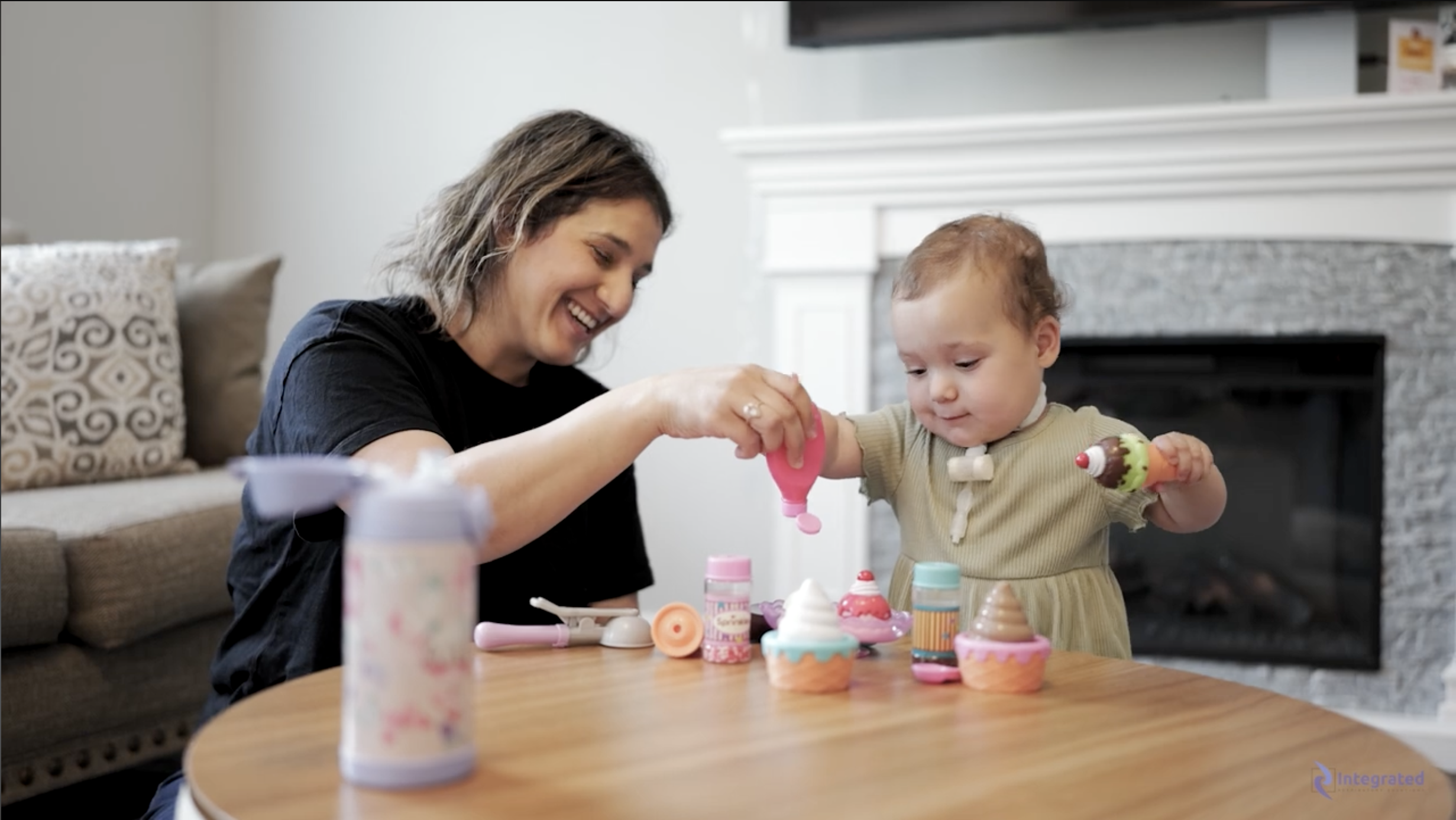
The good news: many children on home ventilators grow, learn, play, and go to school surrounded by family. With the right plan and the right team, home can be a safe place to thrive.
This guide walks you through what to expect.
What Is Pediatric Home Ventilation?
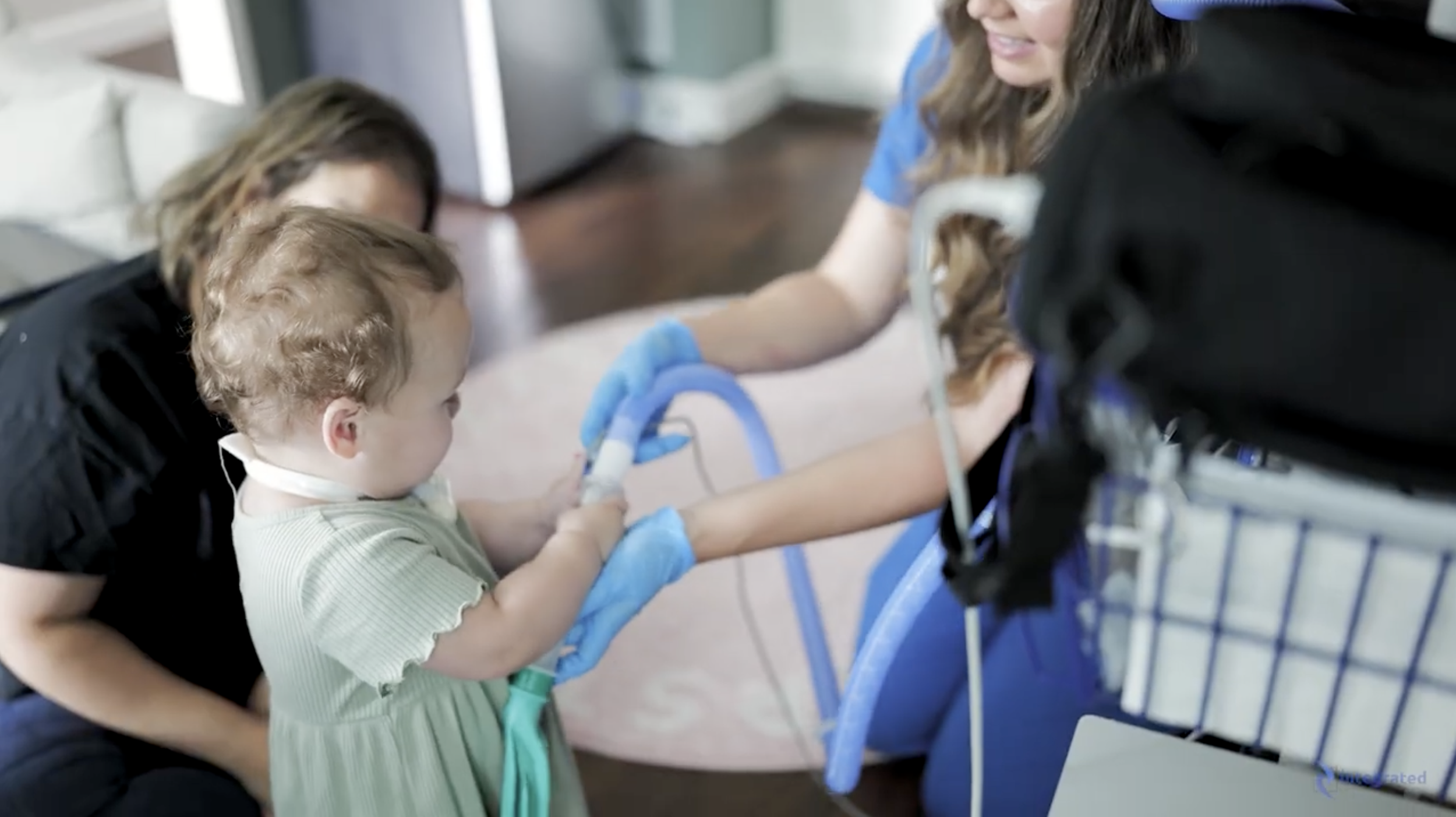
A home ventilator is a small machine that helps your child breathe. It pushes air into the lungs when your child's own breathing isn't strong or steady enough. There are two main types:
Non-invasive ventilation: Air is delivered through a mask over the nose or mouth. It's often used during sleep.
Invasive ventilation: Air is delivered through a tracheostomy, a small opening in the neck that leads to the windpipe. It's often used when a child needs breathing support for many hours a day.
For a broader overview, see our guide to home mechanical ventilation for patients and families.
Why Might a Child Need a Ventilator at Home?
Children need home breathing support for many reasons. Common ones include:
Neuromuscular conditions, such as spinal muscular atrophy or muscular dystrophy, which weaken breathing muscles
Chronic lung disease, including lung problems related to premature birth
Airway differences that make breathing hard without support
Conditions that affect breathing control, where the brain doesn't signal breathing reliably, especially during sleep
Spinal cord injuries that affect the breathing muscles
Some children need a ventilator for a season while they grow stronger. Others need long-term support. Your child's medical team will explain what to expect for your child.
Building a Safe Home Care Team
Caring for a child on a ventilator is a team effort. The American Thoracic Society's guideline on pediatric home invasive ventilation recommends:
At least two trained family caregivers who know the child's care routines and equipment
An awake, trained caregiver in the home at all times. Most families need professional in-home nursing to make this possible.
A pulse oximeter to track oxygen levels, especially while your child is asleep or out of sight
Don't try to carry this alone. Ask your hospital team about home nursing, and lean on your extended family and your equipment provider.
Training Before Discharge
Before your child comes home, you'll learn how to:
Set up and check the ventilator and its alarms
Respond when an alarm sounds
Suction the airway and care for the tracheostomy, if your child has one
Change the trach tube in an emergency
Use a manual resuscitation bag
Recognize early signs of illness or breathing trouble
Practice until it feels familiar. It's normal to feel nervous at first, and confidence grows with time. Our article on life after a tracheostomy has more tips for daily routines.
Planning for Emergencies
A clear emergency plan gives the whole family peace of mind. The ATS guideline lists key backup equipment to keep at home. A good plan includes:
A backup ventilator and charged backup batteries
A manual resuscitation bag and mask
A portable suction machine
Emergency oxygen, if prescribed
A spare trach tube, one size smaller, plus trach supplies
A pulse oximeter
Keep a "go bag" packed for appointments, outings, and emergencies. Post emergency phone numbers where everyone can see them.
It's also smart to let your electric company and local fire department know a child on life-support equipment lives in your home. Ask your utility whether it offers a medical certification program.
Going Back to School
Many children on home ventilators attend school. Planning ahead makes the transition smoother:
Meet with the school early, including the principal, school nurse, and teacher.
Ask about a written care plan, such as an Individualized Health Plan, 504 plan, or IEP.
Confirm who will be trained to care for your child during the school day. Some children attend with a private-duty nurse.
Send equipment and supplies your child needs during the day, including a go bag.
Plan for the bus ride, field trips, and fire drills.
Your child's equipment provider can help train school staff on the ventilator and alarms.
Caring for Yourself, Too
Parents of medically complex children often put their own needs last. Remember that rest and support matter, too:
Accept help from trusted family and friends who are trained in your child's care.
Ask about respite care options.
Connect with other parents through hospital programs or support groups.
You can't pour from an empty cup. Taking care of yourself helps you take care of your child.
How Integrated Supports Families at Home
Integrated's invasive respiratory program serves both adult and pediatric patients. Our clinical team helps your family move from hospital to home with confidence:
Hands-on training for parents, caregivers, and home nurses
A "welcome home" visit to set up equipment and build your care plan
24/7 on-call support from clinicians who can troubleshoot any time
Remote monitoring and in-person visits to keep therapy on track
A full range of equipment, including ventilators, cough assist, suction, pulse oximetry, and CO2 monitoring
Serving Families in Chicagoland and the St. Louis Area
We support pediatric home ventilation families from our offices in Carol Stream and Westmont, Illinois, and Eureka, Missouri. That includes DuPage County, Chicago's western suburbs, Northwest Indiana, Southeast Wisconsin, and the greater St. Louis region. Your care team is close by when you need it.
Frequently Asked Questions
-
It depends on the reason your child needs one. Some children are able to reduce or stop ventilator use as they grow. Your child's doctors will reassess over time.
-
Yes. Home ventilators are portable and run on batteries. Plan ahead, pack your go bag, and talk with your care team before longer trips.
-
For a medical emergency, call 911. For equipment questions, call your equipment provider's on-call line. Integrated's on-call clinicians are available 24/7.
Is your child coming home on a ventilator, or are you looking for a more supportive equipment provider? Our pediatric respiratory team in Carol Stream, Westmont, and Eureka is ready to help your family. Ask about our pediatric program or call (877) 426-0202.
Three locations serving the Midwest
Visit us in person, get directions, or read what patients are saying about each location on Google.
Carol Stream, IL
Carol Stream, IL 60188
Westmont, IL
Westmont, IL 60559
Eureka, MO
Eureka, MO 63025